Isfahan’s pigeon towers emerge as potential World Heritage candidate
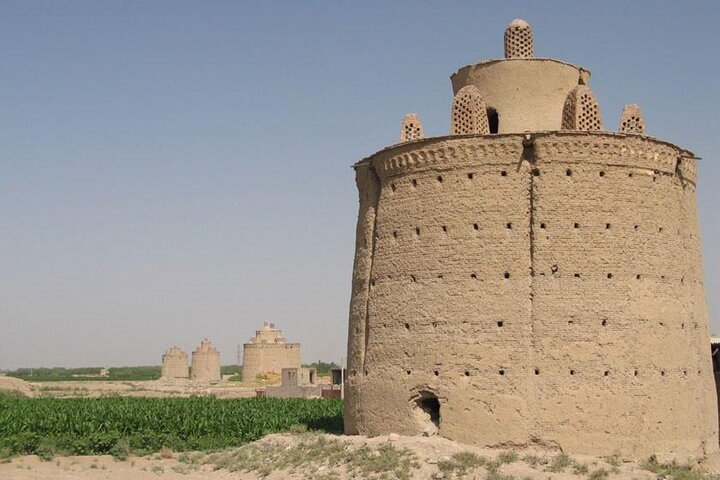
TEHRAN – Iran’s historic pigeon towers in Isfahan province could have the potential to be nominated for UNESCO World Heritage status, prompting renewed calls for comprehensive documentation, comparative research and stronger conservation measures to establish their significance on a global scale.
The towers, many dating from the Safavid era, are more than distinctive mud-brick structures built to shelter pigeons. They represent an ingenious combination of vernacular architecture, traditional agricultural technology and natural resource management that supported farming communities across Iran’s central plateau.
Alireza Izadi, director-general of the office for registration, preservation and rehabilitation of cultural heritage at the Ministry of Cultural Heritage and Tourism, raised the prospect of their international recognition during a meeting of the supreme council for the registration and buffer zones of immovable heritage in Falavarjan, Isfahan province, Mehr new agency reported on Saturday.
He described the pigeon towers as valuable heritage assets and called for a comprehensive nomination dossier to be prepared to facilitate their potential introduction to the international community.
Izadi also stressed the importance of documenting the climatic, historical and cultural characteristics of heritage sites, completing registration files and securing cooperation among government agencies, municipal authorities and the private sector to provide resources for conservation.
The prospect of a UNESCO nomination, however, raises important questions about what distinguishes Isfahan’s pigeon towers from comparable structures elsewhere and whether their documented significance meets the criteria for Outstanding Universal Value required for World Heritage inscription.
Architecture shaped by function and climate
Architect Arman Farahmand said the towers should be understood primarily as functional structures developed in response to specific economic and environmental needs rather than judged solely by their appearance or architectural dimensions.
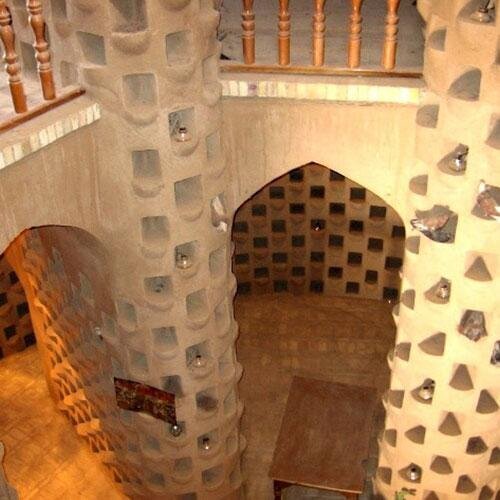
Their design reflected accumulated knowledge of local climatic conditions, construction materials, pigeon behavior and the practical requirements of collecting bird droppings for agricultural use, he explained.
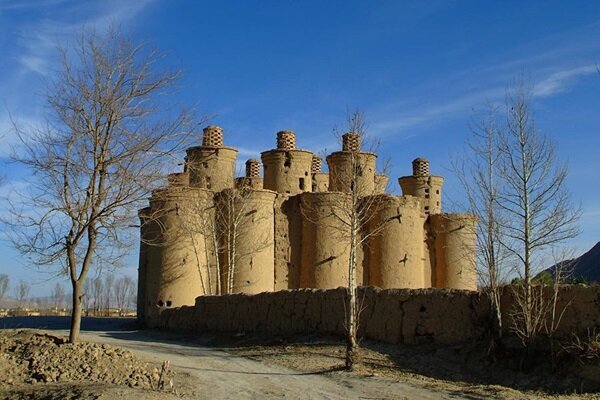
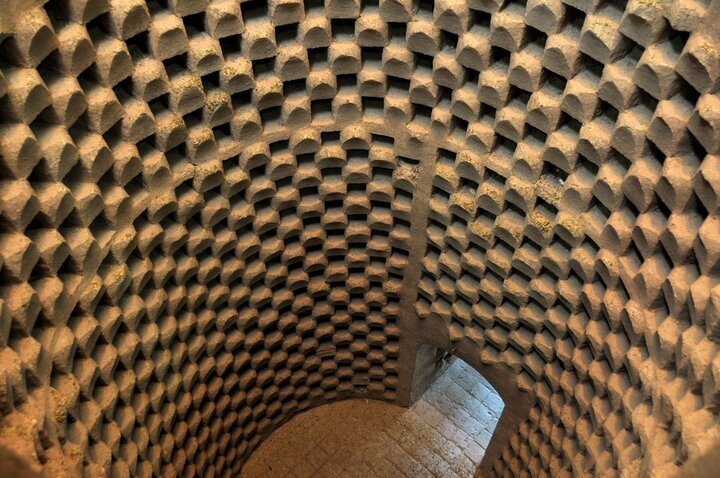
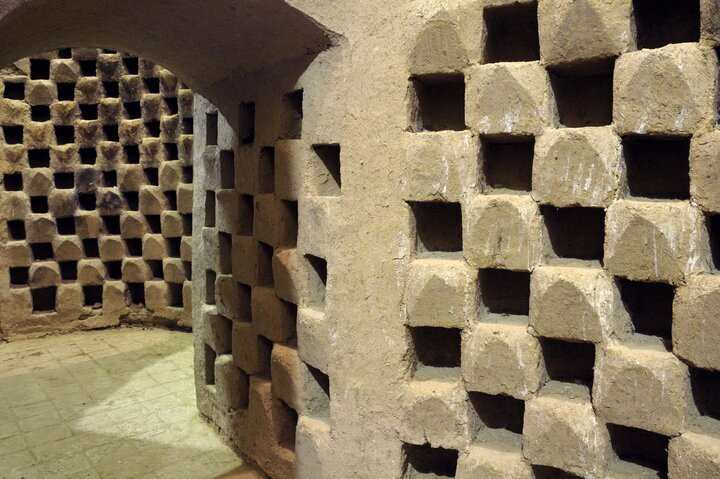
The interior arrangement was central to their functionality. Numerous nesting niches were built into the walls, while their dimensions and positioning, together with openings for light and ventilation, were carefully considered to accommodate the birds and facilitate the collection of their droppings.
Many towers were constructed from locally available mud bricks and earth, materials widely used in the hot, dry regions of central Iran because of their accessibility, relatively low cost and thermal properties.
Traditional construction techniques also made efficient use of interior space. Arches reinforced the walls, while barrel-vaulted ceilings helped support the structures. The towers were often substantial buildings, commonly reaching heights of approximately 10.5 to 12 meters.
Although their architectural forms vary, many follow a broadly comparable design, with internal structural arrangements helping distribute weight and maintain stability.
Farahmand emphasized that the towers should not be treated as a uniform architectural category. Detailed surveys, architectural drawings, measurements and studies of construction techniques are needed to identify both their shared characteristics and regional variations.
Such documentation, he said, would provide an essential scientific foundation for any international nomination.
An agricultural system built around natural fertilizer
The historical importance of pigeon towers is closely connected to their role in traditional agriculture.
Sohrab Nikpey, a researcher of agricultural history and rural economy, said the structures formed part of the agricultural production system in central Iran, where pigeon droppings were collected and used as fertilizer to improve soil fertility.
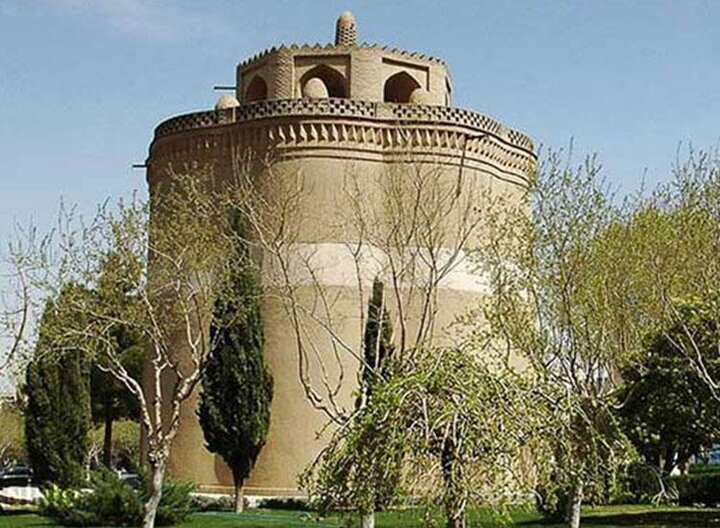
Their economic importance is also reflected in historical travel accounts. European travelers Jean-Baptiste Tavernier and Thomas Herbert, among others, documented the prominence of pigeon towers around Isfahan. French traveler Jean-Baptiste Chardin also described their considerable numbers and the economic value of the fertilizer they produced.
These accounts offer valuable evidence of the towers' role in the region's agricultural economy, particularly during the Safavid period, Nikpey said.
Unlike many European dovecotes, where pigeons were traditionally raised for their meat, the principal purpose of Isfahan's pigeon towers was to collect guano for agricultural use. The fertilizer was particularly valuable for cultivating melons, a crop long associated with the region. Historical accounts also refer to its use in gunpowder production.
The towers therefore represented an integrated system in which architecture supported agricultural productivity by converting a natural resource into an economically valuable commodity.
Their significance extended beyond individual buildings to the wider relationship between farming, local knowledge and the management of available resources.
What would UNESCO recognition require?
Mahtab Rastegar, an expert in World Heritage policy and comparative studies, said historical age and architectural attractiveness alone would not be sufficient to secure inscription on UNESCO's World Heritage List.
A successful nomination must demonstrate that a property possesses Outstanding Universal Value through credible scientific evidence and documentation.
For Isfahan's pigeon towers, one potentially significant area of investigation is the relationship between vernacular architecture, traditional technology and agricultural production.
Comparative research is particularly important, she said. Researchers need to identify similar structures in Iran, Turkey and other parts of the world and establish what makes the proposed Isfahan ensemble distinctive in terms of architectural organization, construction methods, economic function and adaptation to the natural environment.
The existence of comparable structures elsewhere would not automatically prevent a nomination. However, the dossier would need to explain clearly why the selected towers represent an exceptional example of this architectural and agricultural tradition.
Rastegar also highlighted the importance of authenticity, integrity and long-term conservation.
Any significant alterations or losses to the historic fabric would need to be documented. The nomination would also have to identify the institutions responsible for managing the proposed property, establish a long-term conservation strategy and provide safeguards against inappropriate interventions.
Without a credible management and protection framework, a dossier focused primarily on historical and architectural significance would remain incomplete, she said.
Mud-brick deterioration threatens survival
Conservation challenges represent another major consideration in preparing a potential World Heritage nomination.
Bahram Kavyani, a specialist in the restoration of earthen buildings and traditional architecture, said many historic pigeon towers are vulnerable to moisture, weathering and the gradual deterioration of their mud-brick structures.
Although unfired mud brick performs well in dry climates, exposure to rainwater, rising damp, damaged protective plaster and insufficient maintenance can gradually weaken the walls.
Deterioration frequently begins around rooftops and the junctions between roofs and walls, where damaged coverings allow water to penetrate the structure. Given the height and complex internal arrangements of pigeon towers, assessing their structural condition requires particular care.
Kavyani warned that restoration work undertaken without a proper understanding of the building's condition could create further problems.
He called for a technical inventory of every surviving tower before conservation interventions begin. Such records should include geographical location, architectural drawings, construction materials, building techniques, foundation conditions, cracks, surface erosion, roof conditions and any alterations made over time.
Conservation plans should then be developed individually, taking account of the specific condition and characteristics of each structure.
From regional heritage to a possible global nomination
Turning the potential of Isfahan's pigeon towers into a credible World Heritage nomination will require a coordinated research and conservation program.
The first step would be to compile a comprehensive inventory of surviving towers, documenting their locations, historical backgrounds, architectural authenticity, physical condition and ownership status.
According to the news agency, a 2011 study published in the academic journal Antiquity, examining Safavid pigeon towers around Isfahan, provides an important research reference. It documents architectural and historical characteristics of the structures and sheds light on their distribution and relationship with the region's agricultural system.
Combining existing scholarship with new field surveys, architectural documentation and international comparative studies could help establish a stronger basis for assessing their potential Outstanding Universal Value.
Today, the widespread use of industrial fertilizers has largely displaced the agricultural function that once sustained these structures. Many surviving towers consequently stand as reminders of a largely abandoned production system and a distinctive chapter in Iran's architectural and agricultural history.
AM
Leave a Comment